Nashville, TN
Historic Site
Two Rivers Mansion
From a 1784 land grant to the McGavock family's estate — the interpretive panels that give this Nashville landmark its voice.
Read the story
From start to finish, we are dedicated to helping you tell the stories people come to hear.
Start your projectHow we work
Research
We dig through archives, maps and first-hand accounts to uncover the true story of the place.
Design
We shape that story into panels people stop to read, with every photo, map and word in its place.
Build
We fuse the artwork into powder-coated aluminum, sealed and built to last 10+ years outdoors.
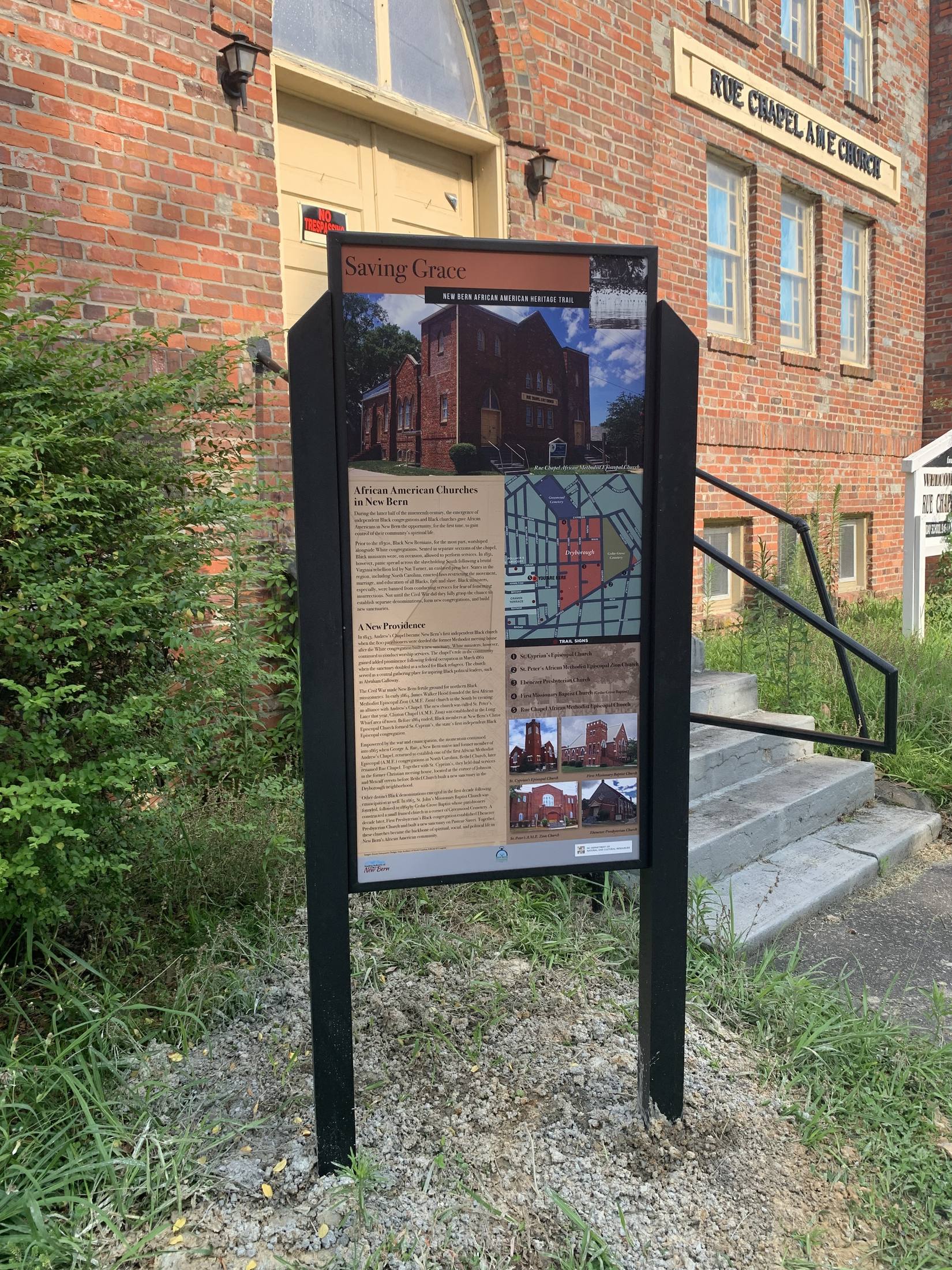
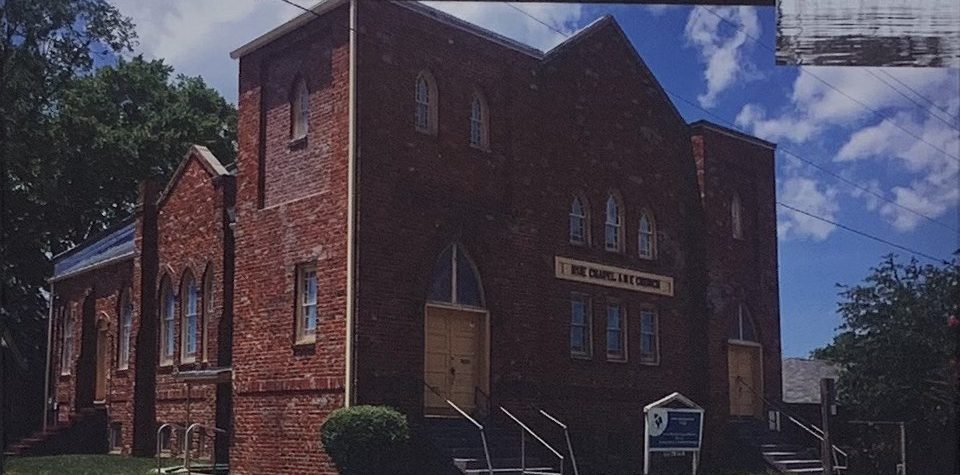
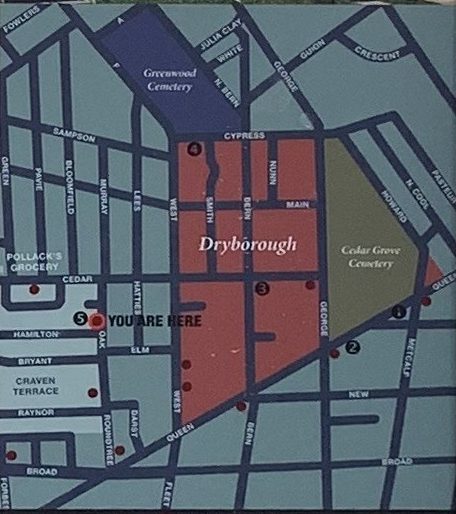
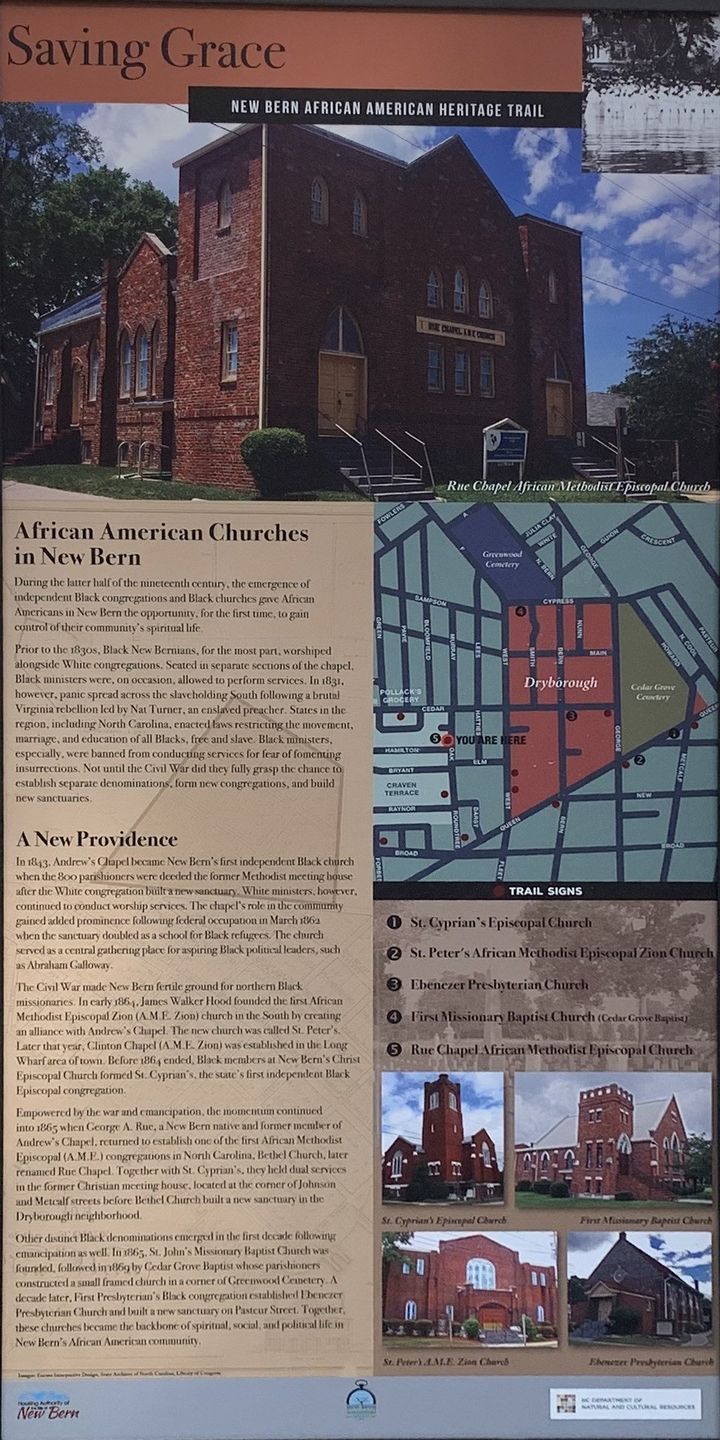
Saving Grace · New Bern African American Heritage Trail
Most firms do one or the other. We research the history, design it to be read, and build it to survive the weather. One partner, the whole arc.
As historians, we help you tell the story you want to tell with authenticity and accuracy.
Layouts, imagery, and typography built for the real world — legible, accessible, and on-brand in every light.
Manufactured in-house on Alumaluxe™ — vivid, graffiti-proof, and rated for a decade or more outdoors.
From a 1784 land grant to the McGavock family's estate — the interpretive panels that give this Nashville landmark its voice.
Read the storyA curving gallery on the Negro Leagues, the sportswriters, and the origins of the game in Nashville — at the park built on historic Sulphur Dell.
Read the storyRiverside wayside signs interpreting the Cumberland River — its water, its wildlife, and the bottomland that keeps it clean.
Read the storyExhibit banners and displays telling the story of the Tennessee State Capitol — the "Temple of Democracy" — for the state park.
Read the storyTrail panels on the city's African American history, from the U.S. Colored Troops of the Civil War to the New Deal housing of Craven Terrace.
Read the storyWayside panels interpreting the 1864 Battle of Johnsonville and the Union supply depot on the Tennessee River.
Read the storyExhibit design and content honoring Wallace Rayfield, the pioneering African American architect who designed Sixteenth Street Baptist Church.
Read the storyInterpretive signs sharing the history of the park and its 1850s Sunnyside mansion in Nashville's 12 South neighborhood.
Read the storyInterpretive planning and site design for the fort on the Cumberland River where Nashville's first settlers arrived in 1780.
Read the storyInterpretive signs for the city's oldest public cemetery, opened in 1822 and the resting place of many of Nashville's founders.
Read the storyWayside signs tracing the 1863 campaign that pushed the Confederate army out of Middle Tennessee.
Read the storyOur dye-sublimation process infuses high-resolution images into powder-coated aluminum — vivid, durable, and impossible to peel or scratch off.
Every panel is UV-stable, fade-resistant, and eco-friendly. We match the surface to the setting — indoor gallery, harsh trailhead, or anything between.
Fine-texture semi-gloss with anti-graffiti and superior scratch resistance. The all-rounder.
A soft, archival finish for black-and-white imagery — gallery-deep blacks.
Brilliant saturation that makes bright images pop, indoors or out.
Remarkably vivid color with the best all-around durability outdoors.
Every Alumaluxe™ panel is also anti-microbial (silver-ion), prints on both sides, and can be cut to custom CNC shapes — circles, letters, and contours that bend up to 90° without losing image quality.
Greenways, downtowns, and wayfinding programs that need signage built to last — and to tell a story.
The interpretive research and design your history deserves, fabricated to museum standards.
Your design, on the most durable panel outdoors. Spec Alumaluxe™ and we'll build it.
Schools, developers, and offices that want signage as considered as the rest of the space.
The questions parks, museums, and designers ask us most — and what makes Storyville different.
Have a question we didn't cover? Start a project and we'll answer it.